

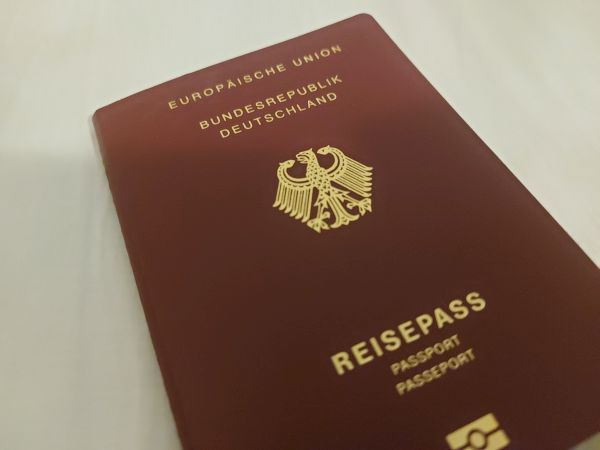
Those who are German usually remain so. German citizenship is protected by the Basic Law and cannot be revoked, with very few exceptions. This also applies to migrants who have been naturalized in Germany. Since June 2024, it has even been possible for Germans to acquire another citizenship or to retain their old citizenship upon naturalization. Germans can only surrender their passport if this does not make them stateless.
Anyone who is German by birth never has to fear losing their nationality. This was established by the German state in response to the policies of the Nazi dictatorship. Between 1933 and 1945, opponents of the regime, Jews, and other minorities were expatriated—and thus rendered stateless and defenseless. This can no longer happen in Germany. It is completely irrelevant whether someone was born to German parents or, under certain conditions, to foreign parents, as can be read on the website of the Federal Foreign Office. The prerequisite is that at least one parent has been living legally in Germany for five years and has a permanent right of residence.
The main thing is not to be stateless
Even voluntarily renouncing German citizenship is not easy. The most important requirement is that the person concerned must not become stateless as a result. “Persons who have another nationality in addition to German citizenship may renounce their German citizenship at their own request,” according to the Federal Foreign Office. However, there are restrictions. Civil servants, for example, are only allowed to do so if they have been living abroad for more than 10 years. Since compulsory military service has only been suspended but not abolished, conscripts need the approval of the Ministry of Defense, according to the Federal Administrative Office—unless they have already served in the military in the country of their other citizenship.
Loss of passport due to military service
However, there are still cases in which German citizenship can be revoked. This is usually related to military service in other countries. Anyone who voluntarily joins the military in a country of which they are also a citizen without the approval of the Ministry of Defense will lose their German passport. Countries in the EU, NATO, EFTA, and some other countries—such as Israel—from a list of countries are exempt from this. The term “voluntarily” is important here: this does not apply to military service in another home country. Since 2019, Germans who fight for a terrorist organization abroad lose their German passport—unless this would make them stateless.
Those who lie must leave
Anyone who lied during the naturalization process must surrender their German passport. Providing false personal information or submitting forged certificates or documents can result in German citizenship being revoked up to ten years after naturalization, in accordance with the Nationality Act. Anyone who conceals the fact that they have committed serious crimes or have links to extremism will also lose their German passport—even if this means they become stateless. Since December 2025, such cases have also been subject to a ten-year waiting period during which no new application for naturalization can be made.
Further information:
https://www.gesetze-im-internet.de/stag/BJNR005830913.html
https://www.auswaertiges-amt.de/de/service/fragenkatalog-node/606796-606796
tun26012009