

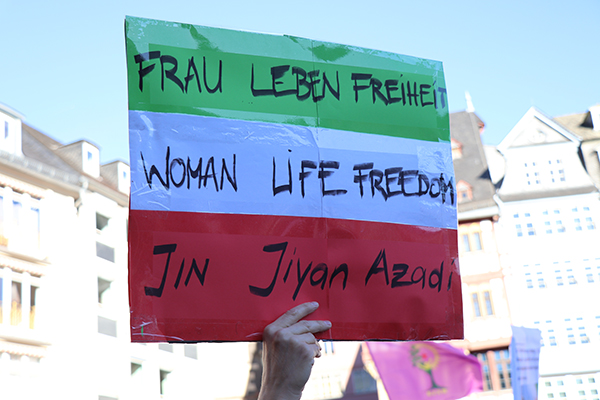
The situation in Iran is becoming increasingly tense. Since the end of 2025, people have been demonstrating against their dire economic situation. The protests are increasingly directed against the mullah regime. The state is responding harshly. There have been many deaths, including children, injuries and mass arrests.
The trigger for the new wave of protests was the exchange rate. The value of the national currency, the rial, plummeted. Initially, traders in the capital Tehran took to the streets. They fear for their livelihoods. In addition, inflation—more than 50 per cent—and high rents mean that the population can no longer afford food and everyday necessities.
Regime: no leniency for “troublemakers”
The protests quickly spread from Tehran to numerous other cities. The demonstrations are increasingly directed against the Iranian state. Chief Justice Gholam-Hussein Mohseni-Edschehi declared that there would be no leniency for “troublemakers”. Supreme Leader Ayatollah Khamenei also called for a crackdown on the alleged “enemies of the country”. For his part, US President Donald Trump threatened the rulers of Iran with a harsh response if they killed people again as they had done in the past.
As a reminder, there was already a nationwide wave of protests in 2022/2023 under the slogan “Woman, Life, Freedom”. This was triggered by the violent death of Jina Mahsa Amini in police custody—see tun22102401
The Iranian state authorities brutally crushed these protests.
Iran’s closest ally fled Syria
The Iranian regime is in a different position today than it was three years ago. Political analysts cite a few reasons. Israeli attacks have weakened Hezbollah in Lebanon. The Houthis in Yemen are less dependent on Iran. And above all, Syrian ruler Bashar al-Assad has been overthrown. He was Iran’s closest ally.
tun26010601