

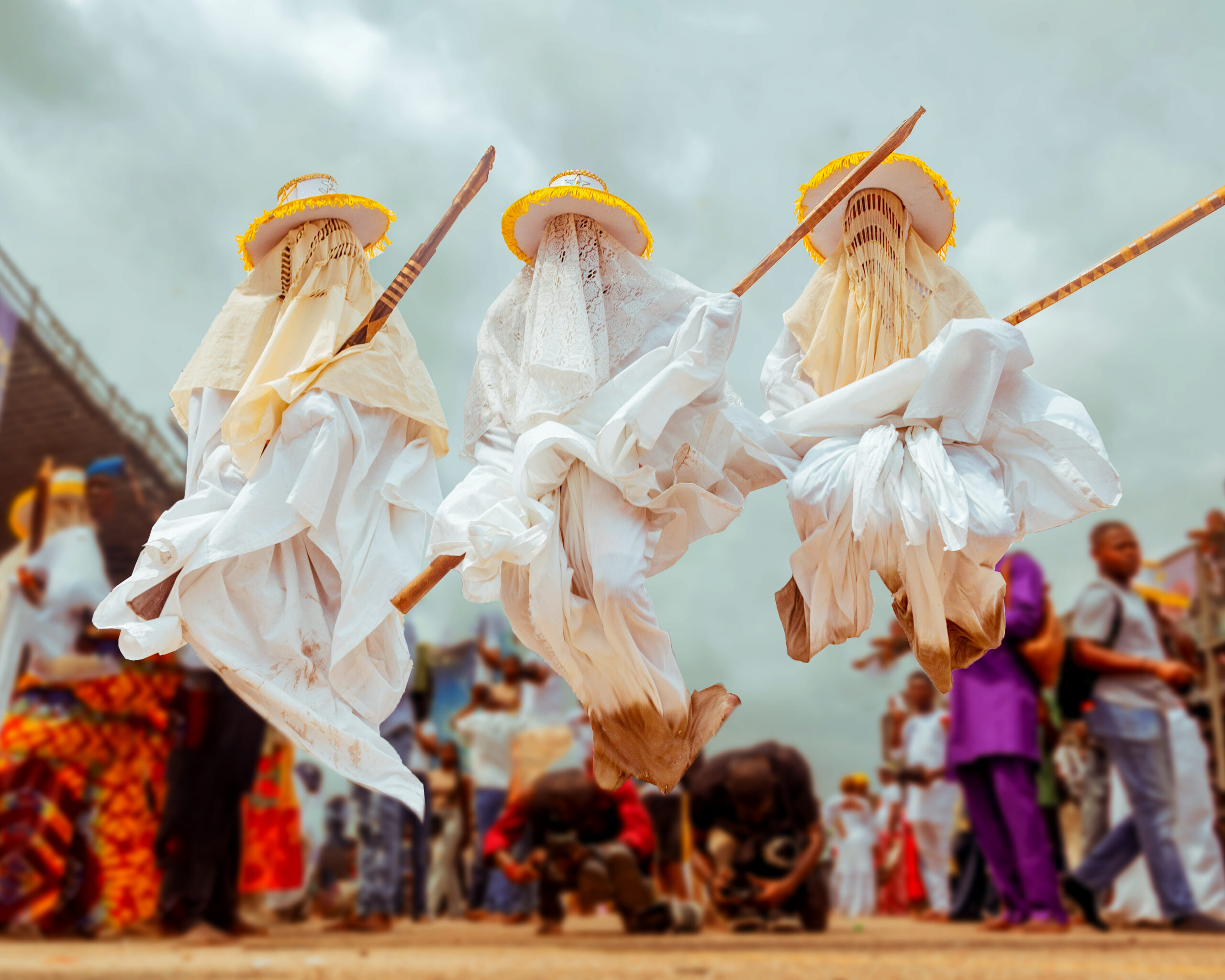
Nigeria is one of the most culturally diverse countries in the world, with more than 250 ethnic groups and over 500 languages. Nigerian identity is therefore not defined by a single language, tradition, religion, cuisine, or way of life, but rather by the many cultural worlds that exist within a single nation.
While the Hausa, Yoruba, Igbo, and Fulani are among the best-known groups, Nigeria is also home to many others, including the Kanuri, Tiv, Nupe, Edo, Ijaw, Ibibio, Efik, Itsekiri, and Jukun. Each community has its own traditions, history, languages, and cultural practices, and even people within the same ethnic group may differ in religion, customs, and political views.
Many Cultural Stories
Nigeria is one country, yet it contains hundreds of distinct cultural worlds, and no single community can represent the entire nation. To truly understand Nigeria, international visitors should make an effort not to view the country as a single culture. It is better to remain curious, ask about the origins of certain traditions, and acknowledge that every Nigerian may have a different cultural history.
The Benin Bronzes and Their Connection to Germany
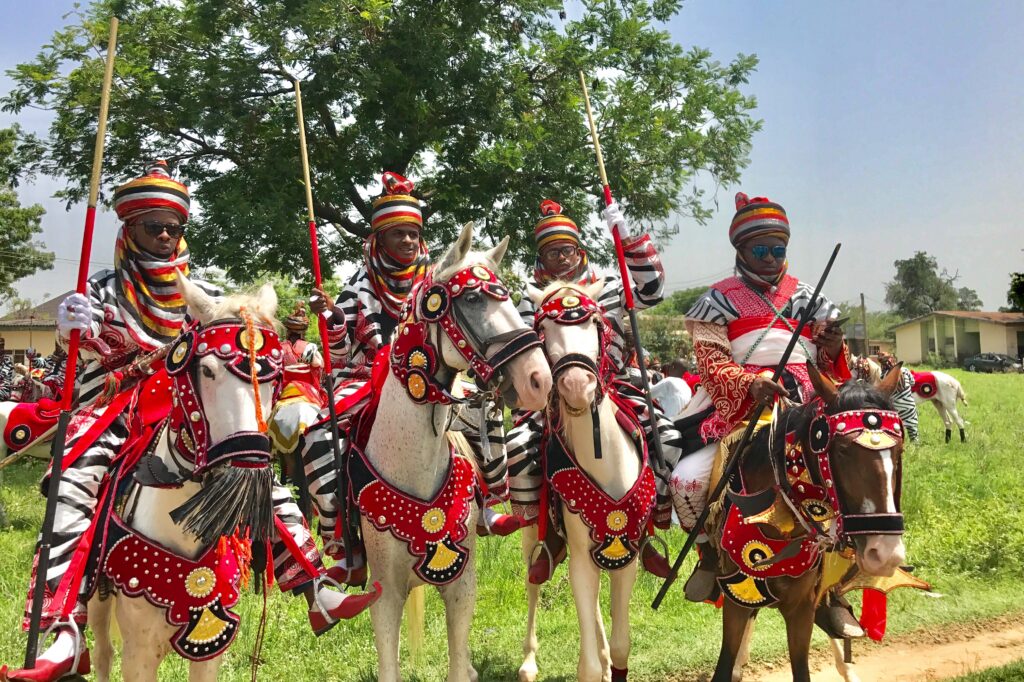
Nigeria’s cultural heritage is evident in places and traditions such as the sacred grove of Osun-Osogbo, the religious practices of the Yoruba, the Durbar festivals in the north, and the historic Benin Bronzes. The Benin Bronzes also directly link Nigerian history to Germany. In July 2022, Germany and Nigeria signed a declaration on the return of artifacts once looted by British colonial troops and scattered across the globe. They also agreed on future cooperation. In December of the same year, the German Foreign Ministry announced the return of twenty Nigerian bronzes from German museums. (auswaertiges-amt.de).
Language is another important component of Nigerian heritage. Although English is the official language, hundreds of languages are spoken throughout the country, and each language embodies history, humor, family traditions, proverbs, and unique perspectives on the world. The preservation of these languages depends on families, education, the media, books, films, and digital technology. Therefore, the question is not simply how many languages or cultures Nigeria has today, but how many future generations will have the opportunity to inherit them.
tun26111701