

Many apartments in Germany are rented without an internet connection:
Tenants move in and discover that there is no Wi-Fi. In most cases, you have to choose a provider yourself, sign a contract, and set up a router. Here is an explanation of how this works, what you should look out for, and what options are available for newcomers.
Different types of internet access
In Germany, there are three main types of connection: DSL (via the telephone socket), cable internet (via the TV cable socket), and fiber optics (fiber optic connection/fiber optic socket). Which option is available depends on the building. Sometimes the landlord already has a framework agreement for cable internet and part of the costs are included in the utilities. However, you often still have to book your own tariff and connect a Wi-Fi router. The easiest thing to do is to ask the landlord or property manager whether there is already a contract and which socket in the apartment should be used. On the providers’ websites, you can then compare rates based on speed, price, and contract term.
They also explain what documents are required. The Consumer Advice Center also provides an overview:
https://www.verbraucherzentrale.de/laura-zieht-aus/internet-und-telefon
Special regulations for accommodation
Residents are not permitted to set up their own internet connection in the district’s temporary accommodation. This has been pointed out by the Tübingen District Office. However, in some larger accommodations, free internet is provided by the District Office. Otherwise, it is possible to connect to the internet via a private hotspot.
No contract without an account
For a standard internet contract, providers usually require a German address with registration (registered address) and a bank account (IBAN) for monthly direct debit payments. Sometimes, a credit check is also required to determine whether the customer has any debts or unpaid loans. Many tariffs have a minimum term of 24 months, so you should read the contract terms and conditions carefully: if you move house, you cannot always simply terminate the contract; sometimes you have to “take” it with you to your new address. If you have just arrived and do not yet have an account or a Schufa credit check, you can temporarily use mobile “Homespot” tariffs (LTE/5G router with SIM card).
Router: rent or buy
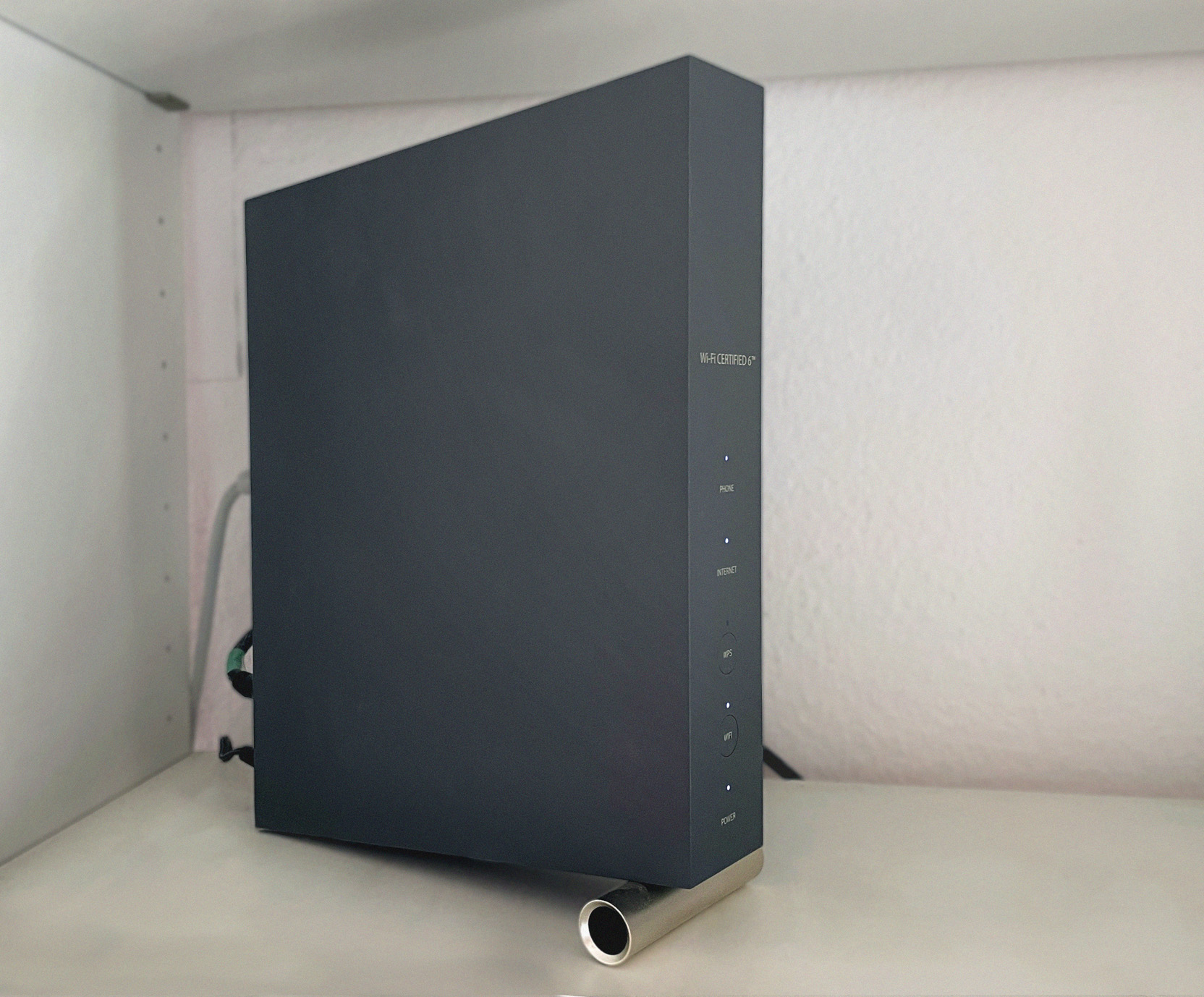
Most providers offer their own router for rent for a few euros a month. Advantage: support, pre-configuration, and replacement in case of defect are included. Alternatively, you can buy your own router (for example, a FRITZ!Box) and use it for the respective tariff. If you use it for a longer period of time, you often pay less than if you rented the device. However, you must check whether the device supports the appropriate connection type (DSL, cable, fiber optic) and whether the provider requires a specific device version.
How the connection works
The order is followed by a letter with the activation date and, if necessary, an appointment for a technician. If the line in the apartment was not yet active, the technician comes to the house and activates it in the basement or distribution box. On the day of activation, the router will be connected to the correct socket. Then all you have to do is enter the access data that was sent by mail or email. After a few minutes, the Wi-Fi should be working. In new buildings or with fiber optics, the waiting time may be longer, so it is worth ordering the connection as early as possible as soon as you know your move-in date.
Mobile internet and hotspot
If you have just arrived, have not yet registered or do not want to sign a long-term contract, you can temporarily use mobile internet. Mobile phone providers have special homespot tariffs with a small router that runs via the mobile network. The speed depends heavily on the local network coverage: sometimes it is sufficient for video calls and online lessons, sometimes not. You can also use your own smartphone plan and set up a hotspot, but you need sufficient data volume and good reception.
tun25121610