

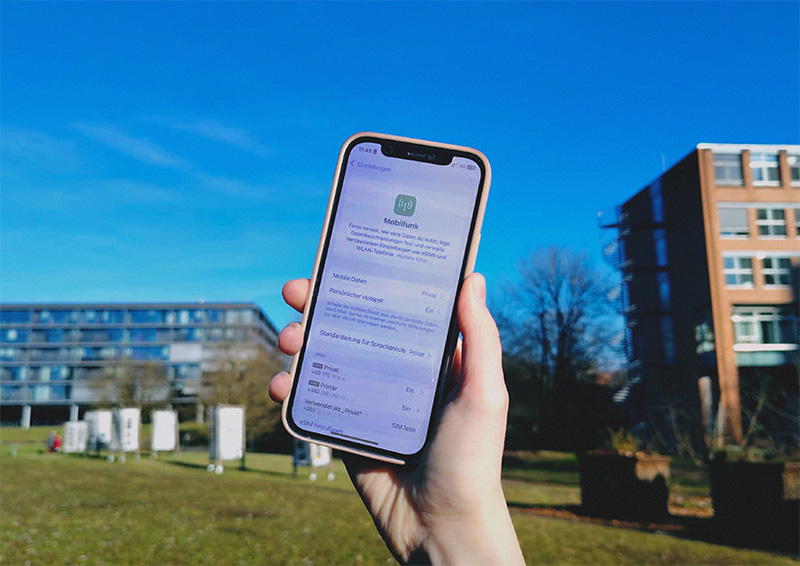
Within the EU, the principle of “roam like at home” applies: this means that there are no additional roaming charges for phone calls, text messages, and mobile internet when traveling in the EU. However, “fair use” rules set time limits—anyone living in another country for more than four months may have to pay more. This regulation has been in force since June 15, 2017, and has been extended by the European Parliament until 2032. Nevertheless, mobile phone owners need to be careful.
Outside the EU: check your tariff
Difficulties arise primarily in countries that are not covered by EU rules—these often include Switzerland, the UK, and Turkey. The costs incurred depend on the respective mobile phone provider and tariff; mobile internet can be significantly more expensive there. Stiftung Warentest recommends checking the tariff conditions before traveling and limiting mobile data usage outside the EU.
Caution at the border
Particular caution is advised along the Swiss border. Even without crossing the border, cell phones in border regions can automatically dial into the Swiss network—in which case charges apply as for a call to a non-EU country, even though you are calling within Germany. Consumer centers advise deactivating data roaming and setting manual network selection so that the device remains on the German network.
Save money when traveling
Before traveling, check with your provider to see if your destination country is included in your plan. When near the border, it is best to activate manual network selection, turn off data roaming, and limit auto-updates/background data. If you want to make cheap calls and surf the internet outside the EU, the best way to do this is to buy a local SIM/eSIM, share your internet via a hotspot, and use Wi-Fi calling in combination with Wi-Fi for calls.
tun25123002