

UV radiation cannot be seen or felt. Nevertheless, it can damage the skin and eyes and, in the long term, increase the risk of skin cancer. The UV Index shows how strong health-relevant UV radiation is at a specific location and when protective measures are necessary.
UV exposure even on cloudy days
The UV Index is an internationally standardized indicator of UV radiation that can cause sunburn. The higher the value, the faster unprotected skin can be damaged.
The UV Index is not directly related to temperature. UV radiation can be strong even on a cool or slightly cloudy day. The value usually describes the highest expected UV exposure of the day. In Germany, UV radiation is monitored by a nationwide network of measuring stations operated by the Federal Office for Radiation Protection (BfS).
What do the values mean?
A UV Index of 1 to 2 indicates low exposure. Special protective measures are usually not necessary. From a UV Index of 3, skin should be protected. Values of 3 to 5 are considered moderate, 6 to 7 high, and 8 to 10 very high. A UV Index of 11 or higher is considered extreme.
The higher the value, the more important it is to avoid direct sunlight and reduce the amount of time spent outdoors without protection. How quickly the skin is damaged depends, among other things, on skin type. Children, people with fair skin and those who spend a lot of time outdoors should be especially careful.
UV radiation increases the risk of skin cancer
A visible short-term consequence of excessive UV radiation is sunburn. However, damage can occur even before the skin becomes noticeably red. Repeated exposure to UV radiation causes the skin to age faster and increases the long-term risk of skin cancer. The effects of UV radiation accumulate over a lifetime. That is why regular sun protection is especially important from childhood on.
The eyes can also be damaged. Excessive UV radiation can cause acute inflammation and, in the long term, contribute to the development of cataracts, among other conditions.
How to protect yourself
From a UV Index of 3, the Federal Office for Radiation Protection recommends taking appropriate protective measures. UV radiation is usually strongest from late morning into the afternoon. During this time, it is advisable to seek shade whenever possible and avoid prolonged exposure to direct sunlight.
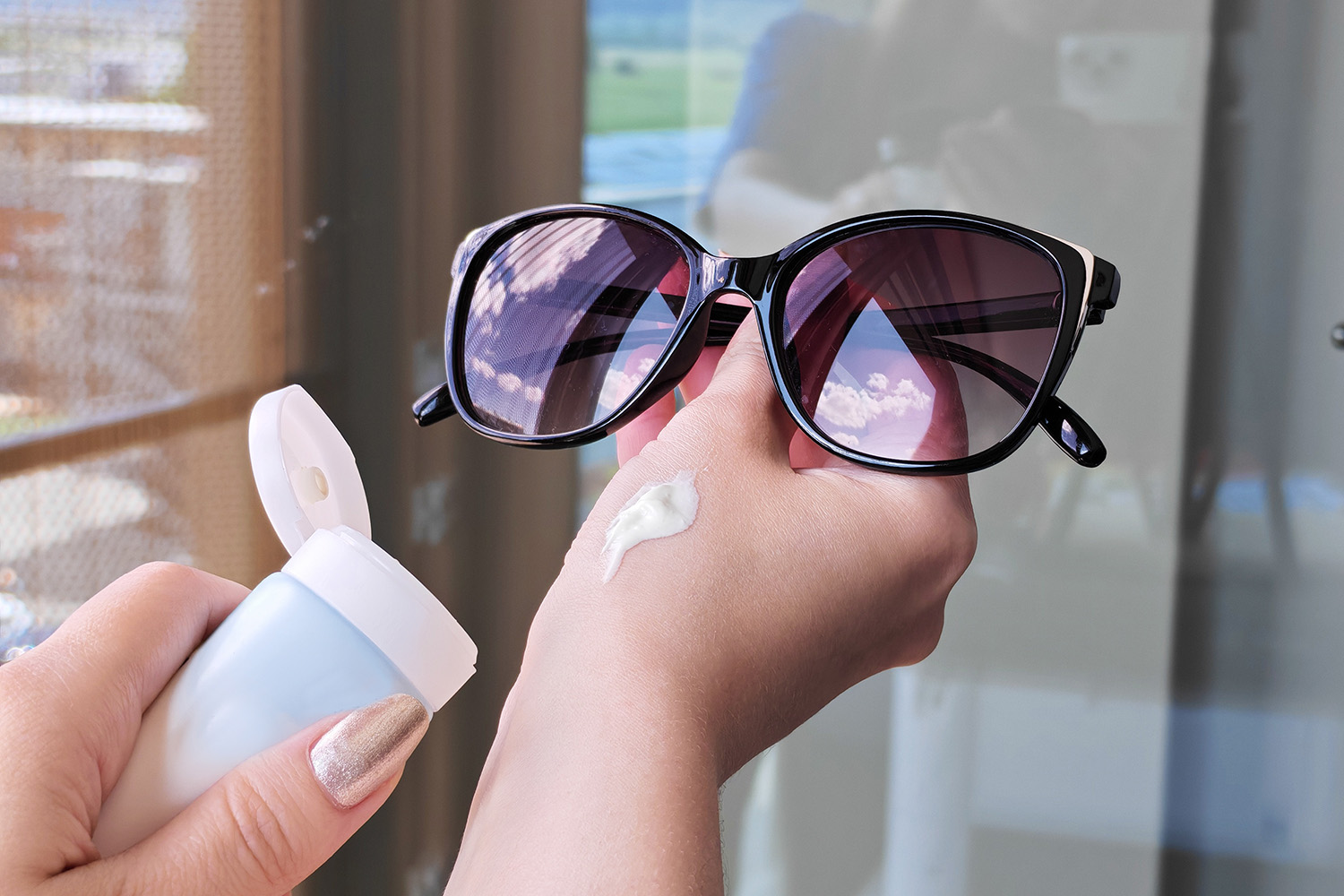
Clothing offers particularly reliable protection. Recommended measures include tightly woven clothing, a hat that also protects the face, ears and neck, and sunglasses with UV protection.
Areas of skin not covered by clothing should be generously covered with sunscreen. Protection must be renewed regularly, especially after swimming or heavy sweating. However, sunscreen should not be a reason to stay in the sun longer.
Infants should generally be kept out of direct sunlight. For older children, shade, clothing and suitable head coverings are also more important than sunscreen alone.
Where can the current UV Index be found?
The current UV Index is available on the websites of the Federal Office for Radiation Protection (BfS) and the German Weather Service (DWD). The BfS publishes measurements from its nationwide UV monitoring network. The DWD provides regional forecasts and also issues UV warnings when UV radiation is unusually high.
The value is also easy to find on a smartphone. Many pre-installed weather apps and other weather apps display the UV Index for the current location. An official option is the WarnWetter app from the DWD.
Checking the UV Index daily helps people plan outdoor activities more effectively. Especially in spring and summer, it is important not to rely only on how warm it feels or on visible sunshine.
Further information:
Federal Office for Radiation Protection (BfS) — UV Index:
https://www.bfs.de/DE/themen/opt/uv/uv-index/uv-index_node.html
German Weather Service (DWD) — UV Hazard Index:
https://www.dwd.de/DE/leistungen/gefahrenindizesuvi/gefahrenindexuvi.html
Federal Ministry for the Environment, Climate Action, Nature Conservation and Nuclear Safety — UV Protection:
https://www.bundesumweltministerium.de/themen/strahlenschutz/nichtionisierende-strahlung/uv-schutz/ueberblick-uv-schutz
tun26071508