

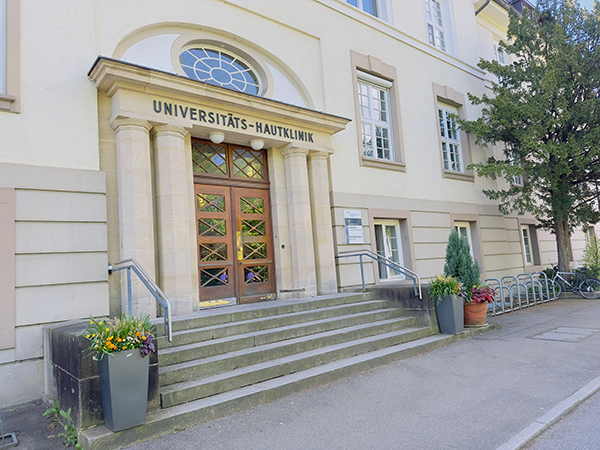
Anyone who wants to gain initial work experience after school and get involved in society can do a voluntary social year (FSJ). Young people between the ages of 16 and 27 are eligible to participate. Places of assignment include hospitals, nurseries, retirement homes and facilities for people with disabilities.
Since 1 June 2008, the voluntary social year has been regulated together with the voluntary ecological year in the Youth Voluntary Service Act. Voluntary service in the FSJ is not an employment relationship. In terms of their legal status, volunteers are comparable to trainees.
An FSJ usually lasts twelve months, but can also be between six and 18 months. Working hours are generally at least 20.5 hours per week. Volunteers receive pocket money of around 340 euro as well as a subsidy for meals and travel expenses. They also take part in 25 training days, which take the form of seminars and count as working hours.
An FSJ is open to everyone, regardless of school qualifications or grades. What is important is motivation, openness and a desire to help other people. The FSJ supports career orientation, provides practical experience, improves personal strengths and offers the opportunity to learn German in everyday life. In the case of a twelve-month service, the FSJ can also be recognised as a practical part of the technical college entrance qualification.
The voluntary service also includes compulsory educational seminars in which volunteers exchange ideas, learn about new topics and meet other young people. An FSJ is also open to international applicants. Anyone who is still unsure can spend a day shadowing at the place of assignment before starting the service to get a first impression of everyday working life.
According to Section 14c of the Federal Civilian Service Act, the FSJ is recognised as an alternative to military service. Recognised conscientious objectors are not required to perform civilian service if they commit to an FSJ.
The FSJ originated in the 1950s from initiatives by the Protestant and Catholic churches. In 1954, the director of the Neuendettelsau Deaconess Institute called on young women to volunteer for a year of diaconal service in nursing and elderly care. In 1962, the Protestant Church founded the “Philadelphischer Dienst” (Philadelphia Service) so that high school graduates could gain practical experience and find their bearings before going to university. This model later served as the basis for the Voluntary Social Year, which was introduced nationwide a year later.
FSJ positions are offered online at:
https://www.fsj-baden-wuerttemberg.de/einsatzstelle-finden
Further information about the Voluntary Social Year can be found here:
https://www.fsj-baden-wuerttemberg.de/
tun26030602