

Since antiquity, New Year celebrations have been closely linked to the religious, social, political, and astronomical contexts of human societies. With the development of calendar systems—mainly based on astronomical observations and calculations of the movements of the sun and the moon—people have used the beginning of the year as an occasion for celebration and for the symbolic expression of the renewal of time. Despite the shared meaning of the start of a new year, the forms and methods of celebration have varied greatly among cultures and civilizations, as these practices were closely connected to the intellectual, religious, and political beliefs prevailing in each society and era. Over the course of history, these celebrations have continuously changed and, in modern times, have become a global phenomenon shared by most peoples, while each culture has preserved its own unique forms of expression.
Legitimation of the King by the Gods
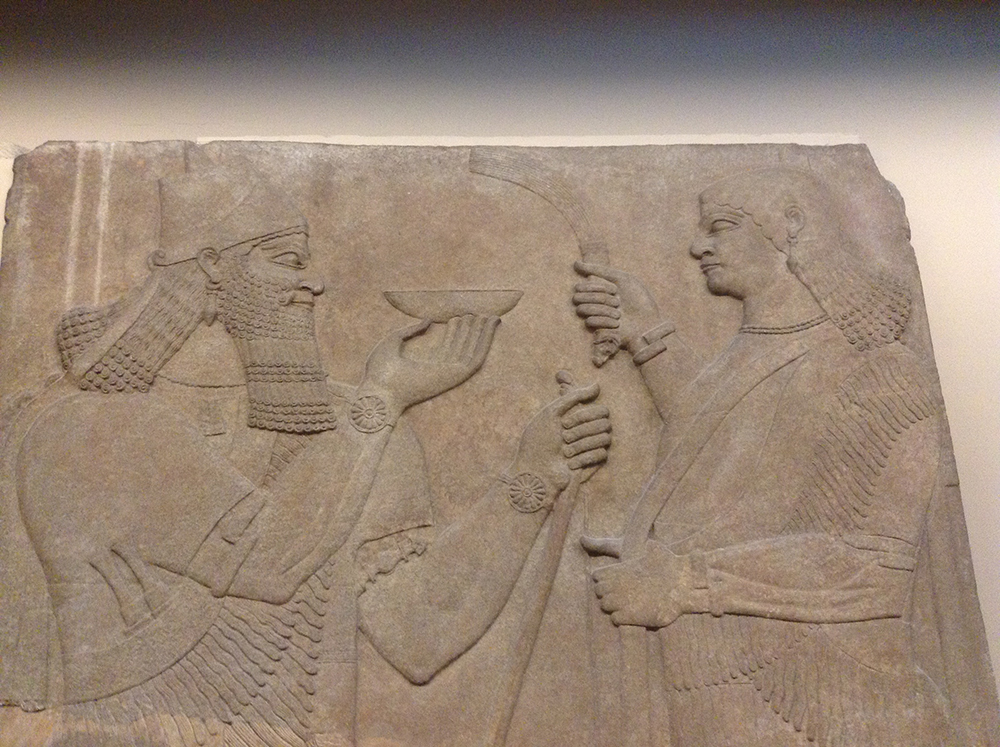
The Akitu festival of the Sumerian and Babylonian civilizations in Mesopotamia is considered the oldest known New Year festival, dating back to around 2000 BC. It began with the spring equinox in April and symbolized the start of the agricultural season and the renewal of life. Akitu was characterized by religious and political rituals, such as carrying statues of the gods in religious processions, performing rituals that depicted the struggle of the gods and the victory of order over chaos, and renewing the king’s legitimacy through an oath of loyalty to the god Marduk. In addition, there were twelve days of popular celebrations with singing and feasting. Akitu reflected the central importance of the king and the gods in society and their relationship to cosmic and social balance.
Renewal of Life through the Flooding of the Nile
In ancient Egypt, the New Year festival was connected to the annual flooding of the Nile in June and the appearance of the star Sirius in the sky. The festival was known as “Wepet Renpet,” meaning the beginning of the new year. This event symbolized the renewal of life and the fertility of the land and was therefore closely linked to the agricultural cycle that formed the foundation of Egyptian civilization. The celebrations included solemn religious rituals in the temples of Amun, Ra, and Isis, as well as offerings to the gods in gratitude for the arrival of the flood, which renewed life and ensured the continuation of agricultural production. Lighting torches was also part of the rituals and symbolized fertility and light. In addition, there were popular festivals with singing, music, and group dances, giving the event a strong social dimension.
Dionysian Celebrations with Theater and Art
The Greeks did not have a fixed date for the beginning of the year, as it varied from city to city and from region to region. In some areas, the year began in midsummer, while in others it started at the beginning of winter. New Year celebrations were linked to religion, with prayers and blessings offered to the gods to ensure happiness and prosperity. One of the most important gods celebrated was Dionysus, the god of wine and joy, whose festivals were associated with cheerfulness, theater, and the celebration of life. Religious plays were also an essential part of the rituals and were performed in public spaces to express the religious, social, and historical values of society. In addition, the celebrations included public banquets and processions that brought people together for social interaction and the celebration of art and joy. Through these events, the festival acquired a distinctly social and artistic character and was no longer associated with politics or power.
Light and Goodness versus Darkness and Evil
Nowruz, celebrated by the ancient Persians and the Kurds, is one of the oldest festivals still observed today. It begins with the spring equinox and symbolizes the renewal of nature. Traditions include cleaning houses, jumping over fire as a symbolic act of purification, and celebrating in gardens and fields. These customs are connected to the Zoroastrian belief that emphasizes the importance of light and goodness over darkness and evil.
Since Caesar, the Year Begins on January 1
In Roman civilization, the establishment of the New Year marked a historical turning point. Originally, the year began in March, until Julius Caesar decided in 46 BC to designate January 1 as the beginning of the year in honor of Janus, the god of doors and beginnings. The celebrations included the exchange of gifts, lighting fires, public banquets, and offerings to Janus to ask for a blessed year. This system became the basis of the Gregorian calendar used worldwide today.
Fireworks and Dragon Festivals
The Chinese New Year, also known as the “Spring Festival,” is one of the oldest festivals still celebrated today. It is based on the lunar calendar and takes place between late January and mid-February. The celebrations include fireworks, dragon and lion dances, gift-giving, visits to relatives, and the distribution of red envelopes believed to bring good luck. This festival reflects a blend of folk traditions and Confucian philosophy
Fire Ceremonies Honoring the Renewal of the World
New Year celebrations in the ancient civilizations of the Maya and Aztecs in what is now Mexico were directly linked to religious and agricultural calendars and were not tied to a fixed date as they are today. The beginning of the year was determined by the movement of the sun and stars, especially in the solar calendar (365 days) and the sacred calendar (260 days). At the end of each cycle, people performed religious rituals such as extinguishing and rekindling fires, making offerings, and asking for blessings and protection for the new year. When the two calendars coincided every 52 years in the Aztec calendar, a great festival known as the Fire Ceremony was held to celebrate the renewal of the world and the beginning of a new era.
Drinking Feasts and Fire to Invoke the Light
There are no direct sources about New Year celebrations among the ancient Germanic tribes of Central and Northern Europe, but there are references in the writings of Roman historians, in Anglo-Saxon and Icelandic sagas, medieval chronicles, and archaeological findings. The date of the New Year festival was not uniform. Most tribes celebrated it as the Yule festival in midwinter near the winter solstice, while some tribes marked it at the beginning of spring. The great Yule festival consisted of excessive communal drinking feasts, thanksgiving and blessing sacrifices for the coming year, and offerings for fertility and protection. Fire rituals, torches, and Yule fires played a particularly important role as symbols of the “newly born light” after the long darkness of the Scandinavian winter. This was accompanied by the belief that ancestors were close during the dark season. In many places, the so-called twelve “Rauhnächte” (rough nights) between the solstice and today’s January 1 held special significance, as people felt threatened by supernatural riders of the “Wild Hunt.
Globalization of the Calendar and Secularization of Celebrations
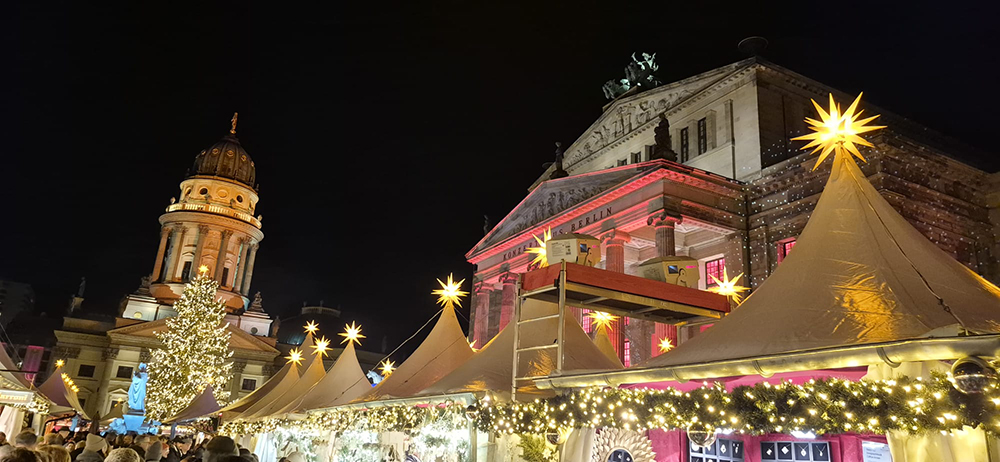
Today, the Gregorian calendar is used worldwide, making January 1 the official beginning of the year in most countries, although some traditional calendars—such as the Chinese, Persian, Hebrew, and Ethiopian calendars—are still in use. Due to globalization and the spread of the internet, celebrations have taken on a global, secular character and include countdowns, fireworks, the exchange of greetings and gifts, personal New Year’s resolutions, and social gatherings. This modern style is more social and entertaining than religious.
New Year celebrations reveal an important aspect of the development of human culture, as the idea has evolved from a religious and agricultural event connected to nature and the gods into a global social event with a festive character. It is not merely a temporary form of entertainment, but a historically evolved cultural phenomenon that reflects humanity’s relationship with time, the universe, and society. Originating in an astronomical and religious context, it has developed into a global social event with deep symbolic meaning. Despite the unity of the occasion, the diversity of celebrations demonstrates the richness of human experience and the many ways in which the idea of new beginnings and renewal can be expressed. The globalization of celebrations creates the effect—made visible worldwide through television broadcasts—that the New Year begins hour by hour in different regions of the world, starting in the Pacific on Christmas Island and ending again in the Pacific on the U.S. Baker and Howland Islands.
See also:
tun21123001
tun25031801
By Youssef Kanjou
tun25112404