

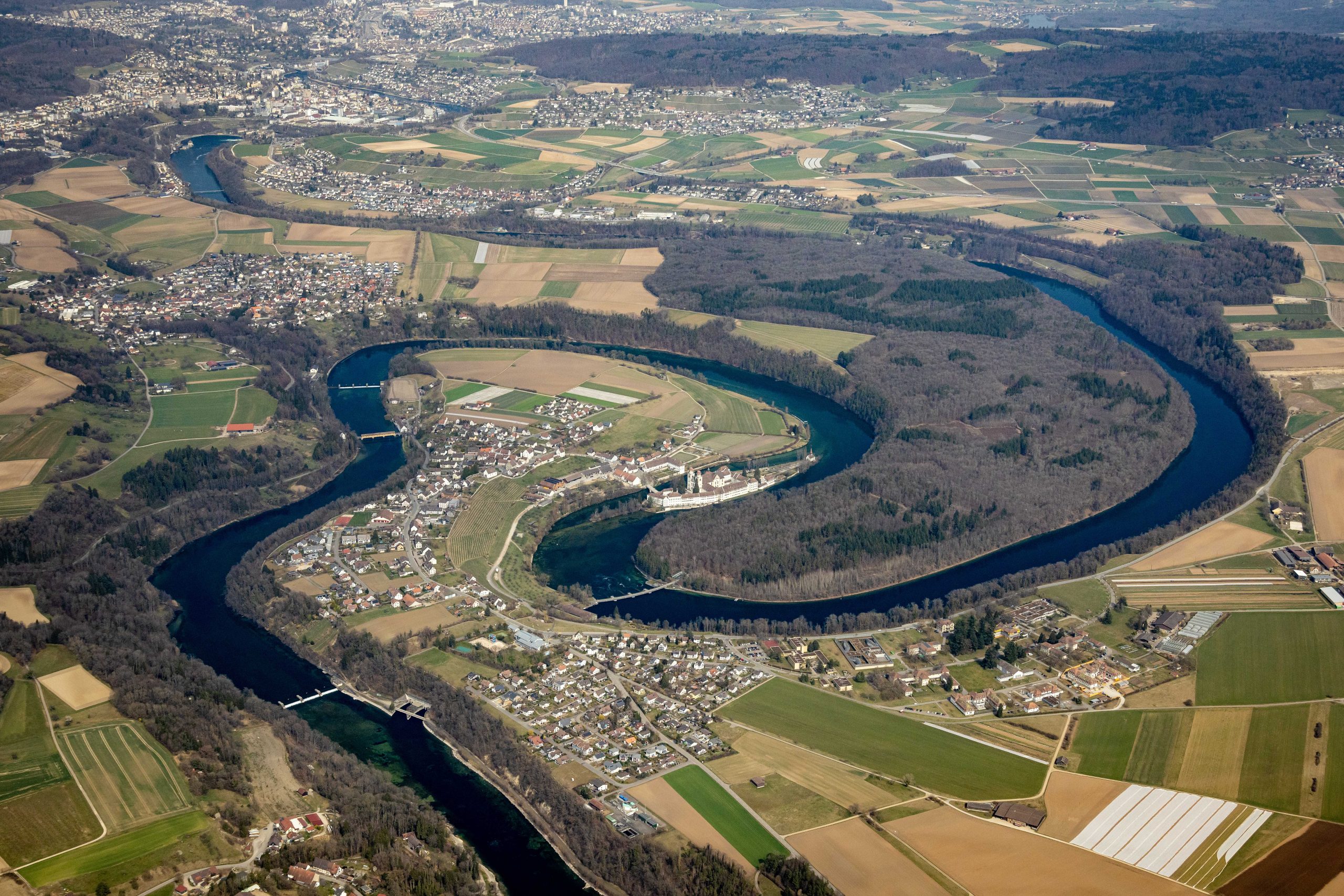
2,200 years ago, southern Germany was inhabited primarily by Celts, who established large settlements known as oppida. One of these was Altenburg/Rheinau on the Upper Rhine near Schaffhausen. For the past four years, the Baden-Württemberg State Office for the Preservation of Historical Monuments has been excavating in Altenburg in search of traces of Celtic life.
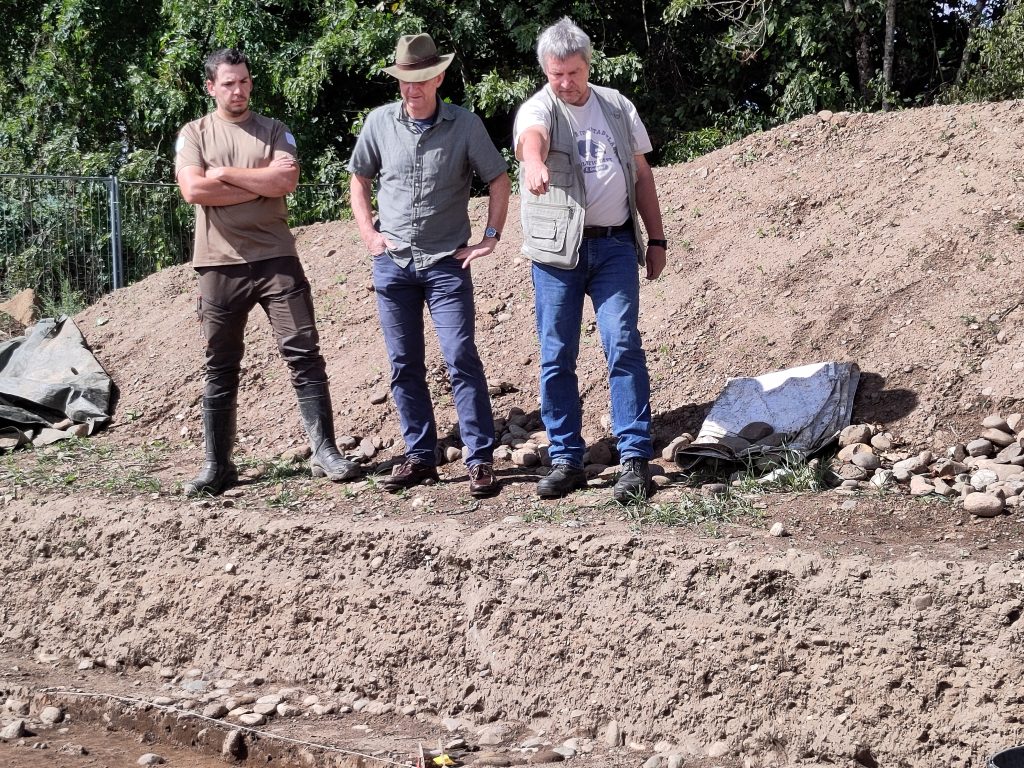
“It was an important trading center,” says excavation director Günther Wieland with conviction. Several thousand people are thought to have lived at that time on the two peninsulas in the German-Swiss border region. There, a few kilometers past the waterfall near Schaffhausen, the Rhine forms an S-shaped double bend. The settlements in what is now Jestetten-Altenburg (Waldshut district) and Rheinau (Canton of Zurich) were likely well-defended by two ramparts and walls. Remnants can still be seen today.
A Brief Golden Age for a Wine Trading Center
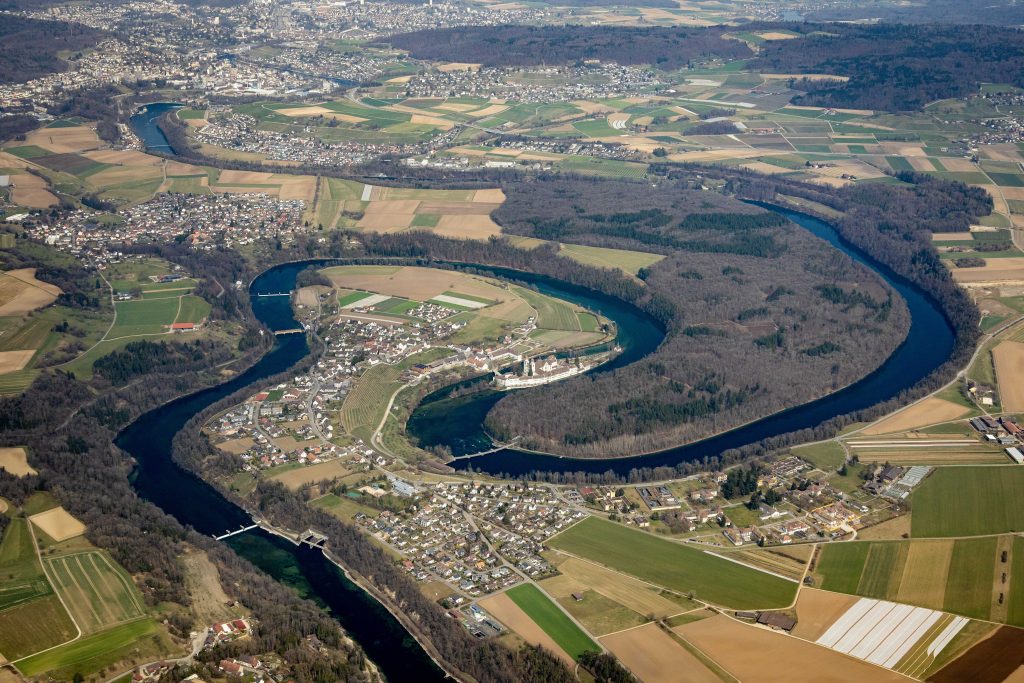
The oppidum from the so-called Late La Tène period had only a brief heyday, from about 120 to 60 B.C. “But there was a lot going on here,” says archaeologist Wieland, who is the department head for the Bronze and Iron Ages at the State Office for the Preservation of Historical Monuments. The wine trade flourished. More than 15,000 shards of amphorae have been found so far. The wine came from the Mediterranean region—presumably mainly from Italy—and was transported north via rivers and lakes through southern France. According to ancient sources, the Celts were downright obsessed with the drink. “An amphora containing 25 liters of wine was worth as much as a table slave,” quotes excavation director Wieland. The Romans may have had a trading post in Altenburg. This is suggested by finds such as a stylus, which the Romans used to make entries on their wax tablets.
Silver Coins and Bronze
And maybe we have a Celtic bank here,” jokes Wieland in an interview with tuenews INTERNATIONAL. Once again this year, over 40 silver coins were found that the Celts minted locally. This is a clear sign of a coin-based economy. Wieland speculates that they became familiar with coinage in the Mediterranean region during the Celtic migrations toward the south and east in the 4th century B.C.: “The models for the first Celtic coins were those of the Macedonian rulers Philip II and Alexander the Great.” The Celts were paid in silver and gold for their mercenary services, which took them as far as present-day Turkey and the Middle East.
Urban Center of Craftsmanship
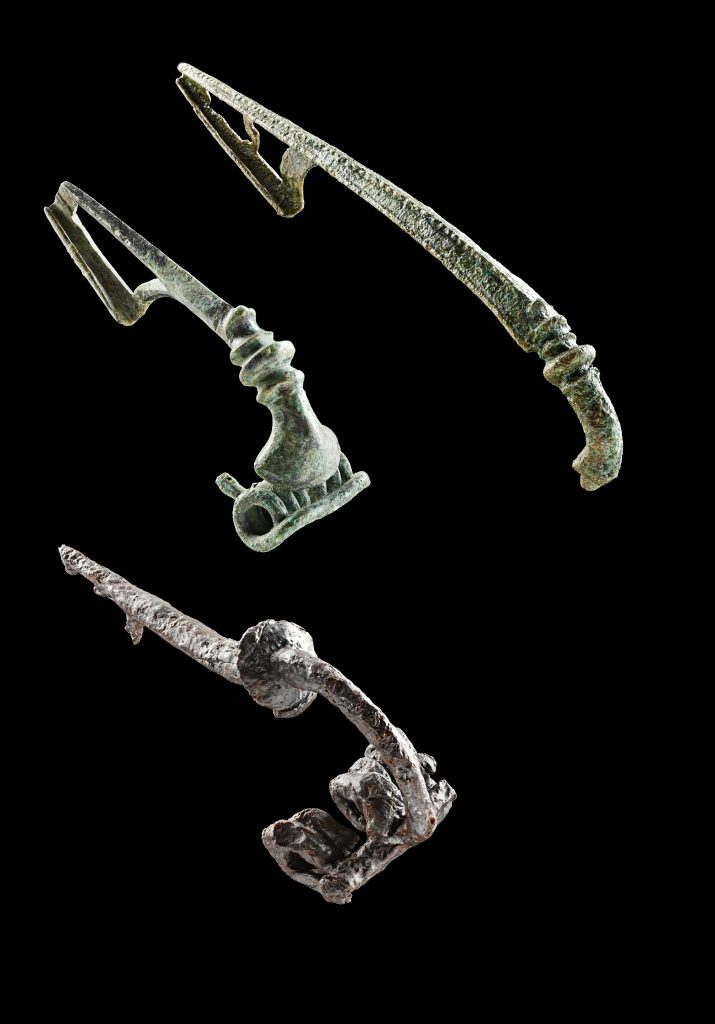
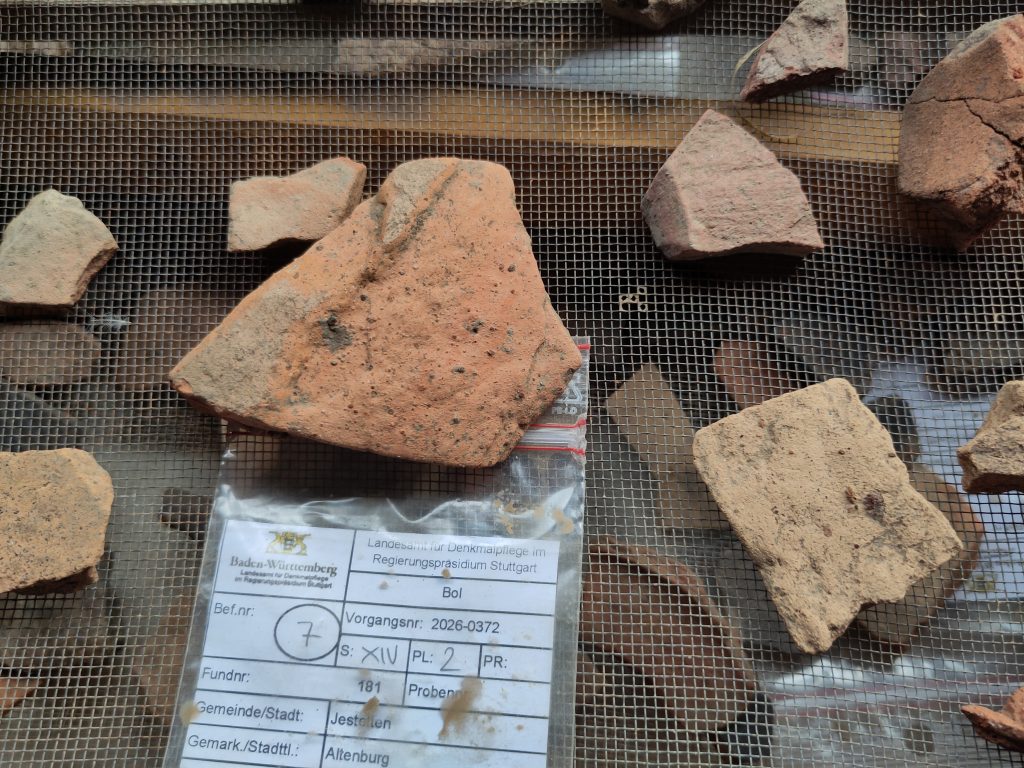
“Altenburg was also a center of craftsmanship back then,” Wieland is certain. Many of the ceramic shards are wheel-thrown, suggesting the presence of specialized potteries. In addition, numerous semi-finished bronze items such as needles and sheets were found, as well as a great deal of slag. Bronze was likely cast and further processed in Altenburg as well.
And there are plenty of animal bones, primarily from cattle and pigs. This is actually too much for local consumption, Wieland wonders: “Possibly for stockpiling and export.” There were likely large-scale slaughterhouses and smokehouses, as indicated by holes in the shoulder blades of cattle used for hanging the meat.
Migration as a Reason for Founding the Settlement?
It is unclear why the Celts abandoned the large settlement after only a few decades.
Wieland speculates that the Gallic War led by the Roman general Caesar may have played a role, or perhaps the advancing Germanic tribes from the north. Around 60 B.C., life in Altenburg came to an end; thereafter, the center of settlement shifted to the other Rheinau peninsula until about 40 B.C.
It also remains a mystery where so many people suddenly came from to found the city. Were they migrants from other settlements in the north who were forced to leave their homes at the end of the second century B.C.? Or were they returnees from military campaigns in southern Europe, as reported by Roman sources?
A Stroke of Luck: Laufhorizont
Whatever the case may be, this year the archaeologists from the State Office have certainly had a stroke of luck with their 20-by-10-meter excavation site. They’ve uncovered the ground where the Celts walked and found a paved surface. It may have been a kind of marketplace. That’s not unusual so close to the entrance area behind the rampart. Today’s finds were, back then, trash that was simply thrown away or something that was lost and trampled into the ground. “But this allows us to get a glimpse into the everyday life of the Celts,” Wieland says happily. Something like this is rare and very special.
Careful Excavation Work
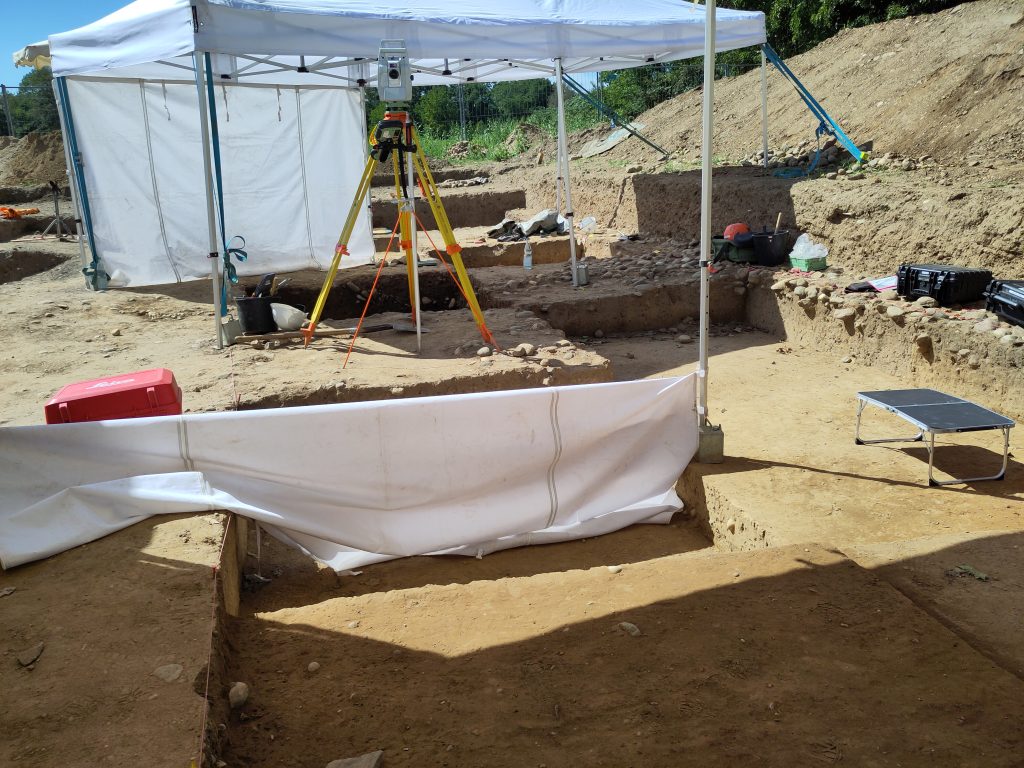
That’s why the 15-member team—including many volunteers from the Baden-Württemberg Archaeological Society—is working its way very carefully into the soil to remove the cultural layer centimeter by centimeter and secure the many finds. After the excavator had removed the topsoil to a depth of about half a meter, the area was divided into two-by-two-meter squares. Every ten centimeters of depth, the area and its finds are documented, explains Andreas Nickel, the technical excavation director. They work in staggered squares so that all four sides and their profiles can be recorded. This reveals the thickness of the cultural layer, Nickel adds. And that thickness varies greatly—sometimes it’s 10 centimeters, sometimes 15. A circular pit was also uncovered, in which settlement waste was found. Its purpose remains unclear.
Excavations are set to continue in Altenburg next year, according to excavation director Wieland: “The site has immense potential.” He anticipates further surprises and new insights into the lives of the Celts 2,100 years ago.
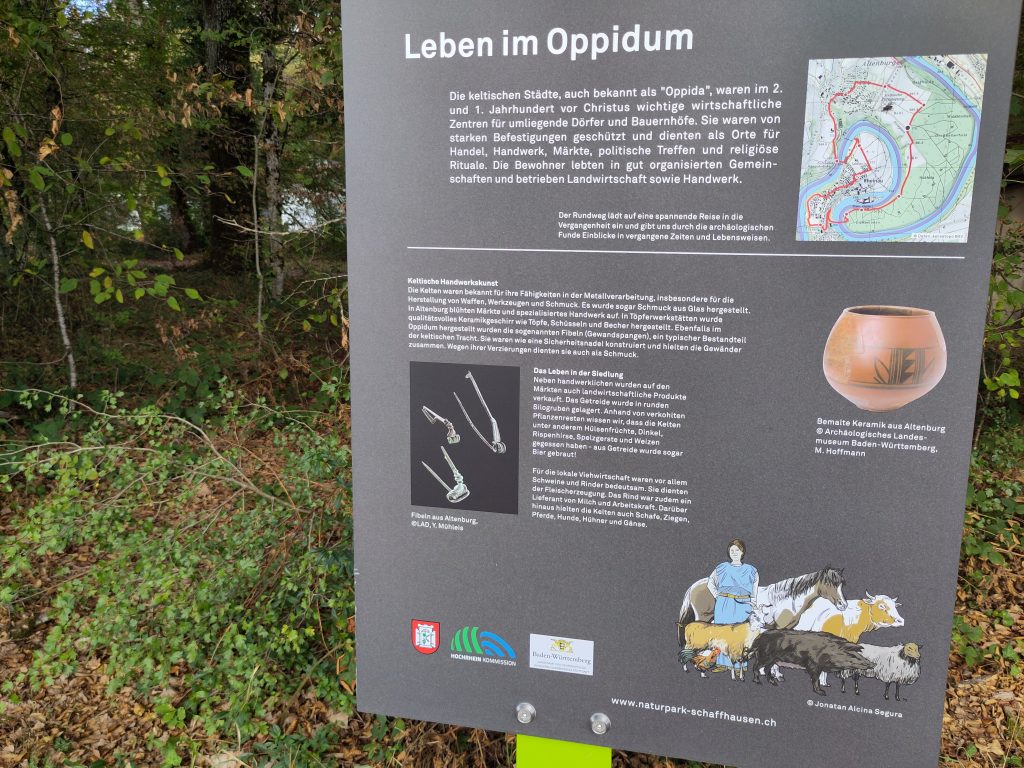
Anyone interested in learning more in Altenburg and Rheinau can do so on an eight-kilometer cross-border Celtic trail. There, the Schaffhausen Nature Park, together with the municipality of Jestetten and the State Office for the Preservation of Historical Monuments, has erected informational signs:
https://www.natourpark.ch/tour/keltenrundweg/
Further information:
https://de.wikipedia.org/wiki/Kelten
https://tuenews.de/kelten-im-suedwesten-2/
Celts in the La Tène period:
https://www.praehistorische-archaeologie.de/wissen/die-eisenzeit/latenezeit/
https://www.denkmalpflege-bw.de/
https://www.gesellschaft-archaeologie.de/startseite.html
tun26091604