

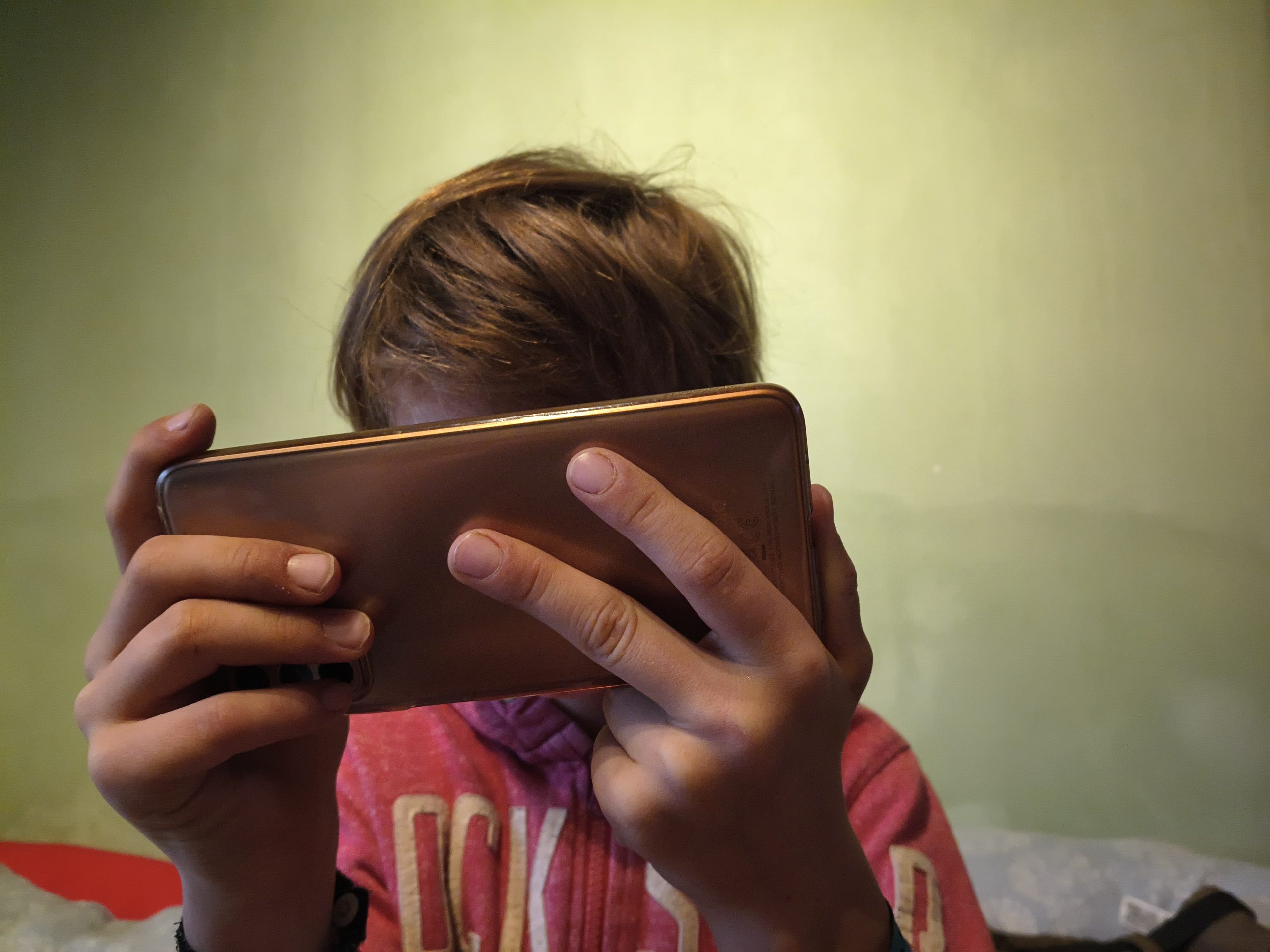
Many children in Tübingen County spend more time using media than recommended by scientific professional associations. This was revealed by the school entry examinations for the class of 2025, which the county health department published at the start of the 2026 school year. The analysis also shows that media consumption is still significantly higher than it was before the COVID-19 pandemic.
According to the data, 40% of children exceeded the medical recommendation of no more than 30 minutes of screen time for 3- to 6-year-olds on weekdays, and on weekends, this figure rose to 65% of children. Before the COVID-19 pandemic, 27% of children used screen media for longer than recommended on weekdays (47% on weekends).
Problems Associated with Excessive Media Use
The recommendations from the Association of Scientific Medical Societies are based on recent study findings. Researchers have found that high media consumption more frequently leads to socio-emotional problems. This means that affected children have persistent difficulties regulating their own emotions and forming age-appropriate social relationships. This can manifest, for example, as aggression, anger, anxiety, or social withdrawal. Conversely, children with social-emotional developmental disorders are more likely to use screen media as a distraction from their problems. This can create a vicious cycle in which limiting screen time alone is not enough.
Parents Lead by Example
Parents serve as role models. Children notice when their caregivers are distracted. Therefore, caregivers should consciously put their smartphones away from time to time and devote their full attention to their children. Mutually agreed-upon rules (e.g., no screen time during meals or right before bedtime) should apply to all family members.
The quality of screen time is also crucial
It’s not just the amount of time spent in front of a screen that matters, but also the content. According to studies, gaming and social media have a more significant negative effect on children’s social-emotional development than watching TV together. Children should not have their own game console before the age of 9.
Parental Supervision
Young children, in particular, should not use media alone. When parents observe their children—for example, while they are watching TV—they can pick up on the children’s reactions. It is important to spend sufficient time together after the program to discuss what they’ve seen and answer any questions. Older children and adolescents also benefit from parental supervision when using media. By discussing various topics together, parents learn what is currently on their children’s minds and what may be causing them stress. This creates opportunities for parents to support their children in developing the necessary skills to cope.
Further information:
For an overview of the school entry examination:
Tübingen District Office, Health: Evaluation of the 2025 School Entry Cohort, Tübingen District
For the scientific recommendations:
027-075eltern_S2k_Praevention-dysregulierten-Bildschirmmediengebrauchs-Kinder-Jugendliche_2024-11-verlaengert.pdf
tun26093006