

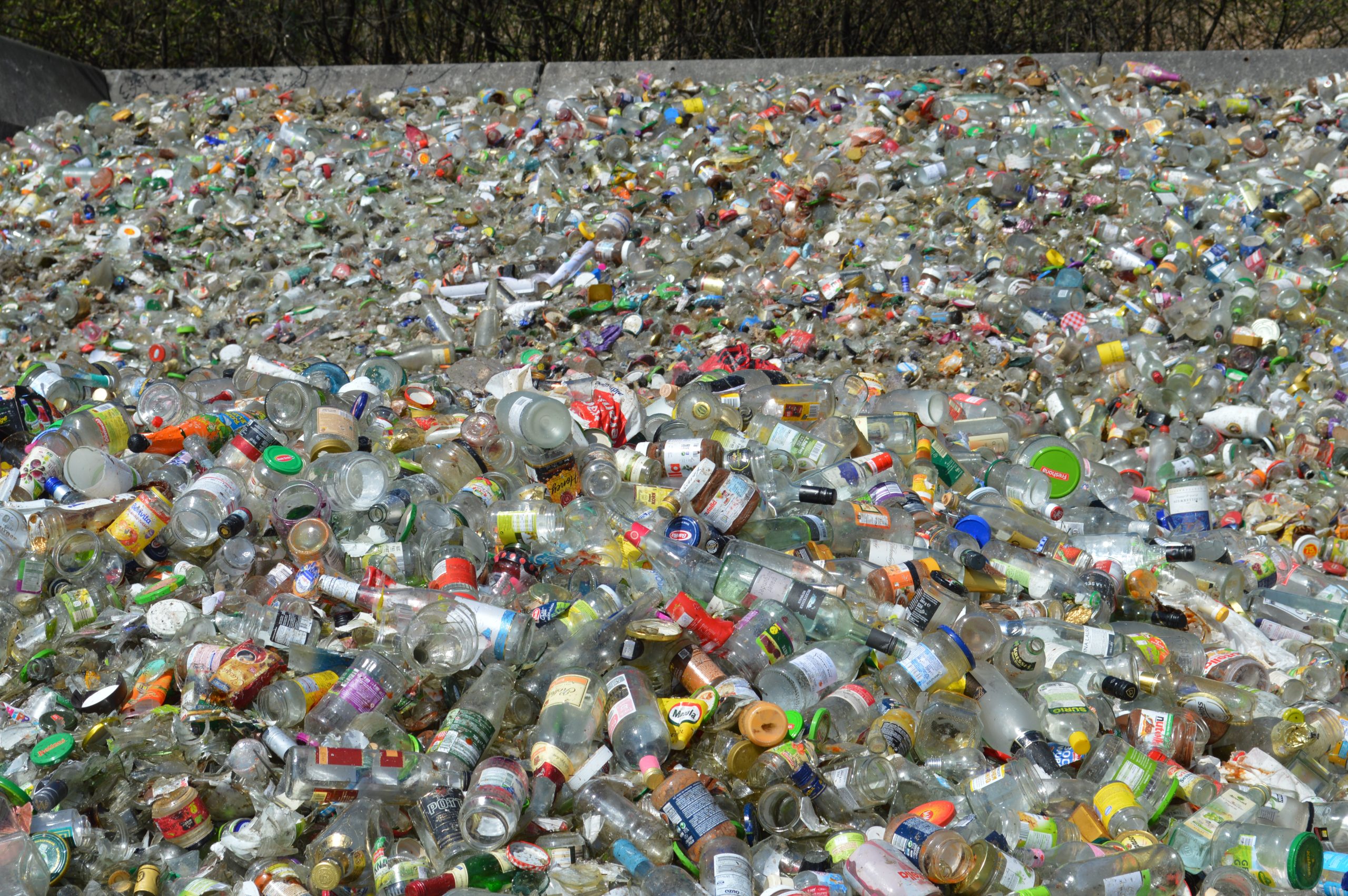
After collection, waste does not simply disappear. Depending on the type of waste, it is sorted, recycled, composted, processed into biogas or incinerated. This allows old materials to become new products, energy or fertilizer.
How Paper, Glass and Packaging Are Recycled
After collection, paper and cardboard are sorted, separated from foreign materials and processed into new paper products. For example, waste paper can be turned into cardboard, packaging paper, toilet paper or other paper goods. Heavily soiled or greasy paper, on the other hand, is difficult or impossible to recycle.
Glass is particularly easy to recycle. It is crushed, cleaned and melted down. This process produces new glass bottles or other glass packaging. It is important to separate glass by color: clear glass, brown glass and green glass belong in different containers. If the colors are mixed incorrectly, the quality of the new glass may suffer.
Packaging made of plastic, metal and composite materials is collected in the Tübingen district in the Yellow Bag. According to the Tübingen District Waste Management Authority, the bag is intended for empty or “spoon-clean” packaging — that is, packaging from which food scraps have been removed. After collection, the materials are sorted. Some of the material is recycled; non-recyclable residues can be used to generate energy.
What Happens to Organic Waste
Organic waste is not just wet trash. When collected separately, it can become a valuable raw material. After collection, organic waste is composted or used to produce biogas. This means that kitchen and garden waste can be turned into fertilizer or energy.
According to the Tübingen District Waste Management Authority, organic waste bins in the district are emptied every two weeks, and weekly in the summer. It is important that no plastic ends up in organic waste. Even so-called biodegradable plastic bags can cause problems because they often do not break down quickly enough during industrial processing. Paper bags are therefore recommended for organic waste. Alternatively, organic waste can be wrapped in newspaper or paper towels, or placed in the organic waste bin without a bag.
What Happens to Residual Waste
Residual waste consists of waste that can no longer be recycled or processed as organic waste. It is usually sent to waste incineration plants, where it is burned at high temperatures. The heat generated can be used to produce electricity or for heating.
However, incineration is no substitute for recycling. The materials are lost to the recycling process. That is why paper, glass, packaging and organic waste should not end up in residual waste if they can be collected separately and recycled.
Why Recycling Is Important for the Environment
Recycling ensures that materials are not lost after just one use. Paper, glass, metal and many types of plastic packaging can be returned to the production cycle. This conserves raw materials, saves energy and reduces the amount of waste that is incinerated. Proper recycling also helps protect the climate because it reduces the need for new raw materials and can save energy and reduce greenhouse gas emissions in the production of new products.
According to the Federal Environment Agency, proper waste separation helps conserve resources and reduce pressure on the environment. The more carefully waste is separated, the greater the chance that it can actually be recycled.
If waste is sorted incorrectly, recycling becomes more difficult or even impossible. Plastic in the organic waste bin can contaminate compost, greasy paper interferes with paper recycling, and incorrectly sorted glass lowers the quality of the recycled material. Waste separation is therefore not just an everyday rule, but the first step toward turning waste back into a raw material.
Information on waste separation, organic waste bins, the Yellow Bag and collection points in the Tübingen district is available from the Tübingen District Waste Management Authority:
https://www.abfall-kreis-tuebingen.de/entsorgen/welche-abfaelle-habe-ich/
The waste collection calendar and the Waste ABC can also be found there.
tun26060906