

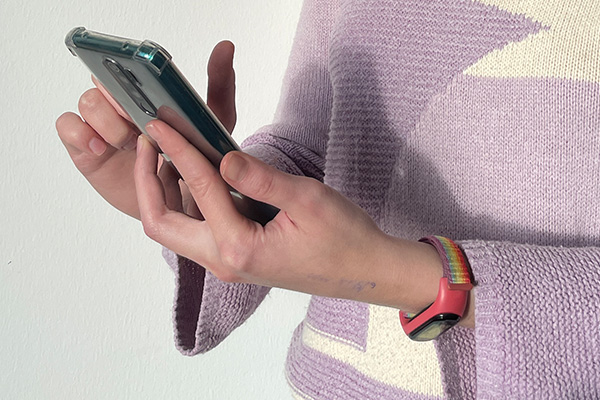
More than one in ten internet users in Germany were affected by cybercrime last year. The Consumer Advice Center is warning about scams involving Booking.com: Criminals are trying to trick travelers into re-entering their payment information on a different website after they have made an actual booking.
Genuine booking details, fake messages
According to the Consumer Advice Center, criminals are apparently using genuine booking details. They send messages posing as a hotel, guesthouse or vacation rental, claiming that payment details need to be confirmed or verified again. In some cases, such messages also arrive via the booking platform’s messaging system or additionally via WhatsApp. This makes them appear particularly credible.
Booking.com notified users of suspicious activity
According to the Consumer Advice Center, Booking.com notified affected users by email about “suspicious activity.” Information about specific bookings may have ended up in the hands of third parties, such as names, email addresses or phone numbers. According to Booking.com, passwords, payment details and financial information were not affected.
Do not enter payment details via links
Those affected should not click on links in such messages or enter credit card details on third-party pages. According to the Consumer Advice Center, Booking.com emphasizes that customers are generally not asked to provide sensitive data by email, chat message, SMS, WhatsApp or phone during legitimate transactions.
What those affected should do
Anyone who is unsure should contact the booked accommodation or the booking platform’s customer service directly — but not via the link in the suspicious message. Anyone who has already entered credit card details on a third-party site should contact their bank immediately, have the card blocked and file a report with the police.
See: https://www.verbraucherzentrale.de/wissen/digitale-welt/onlinedienste/betrugsversuche-bei-bookingcom-gefaelschte-zahlungsaufforderungen-89070
tun26052903