

Your nose is runny or blocked. Your eyes are red and itchy. For some allergy sufferers, the lungs react to the pollen in the air with asthma. The Tübingen Public Health Department offers tips for everyday life and information on treatment options.
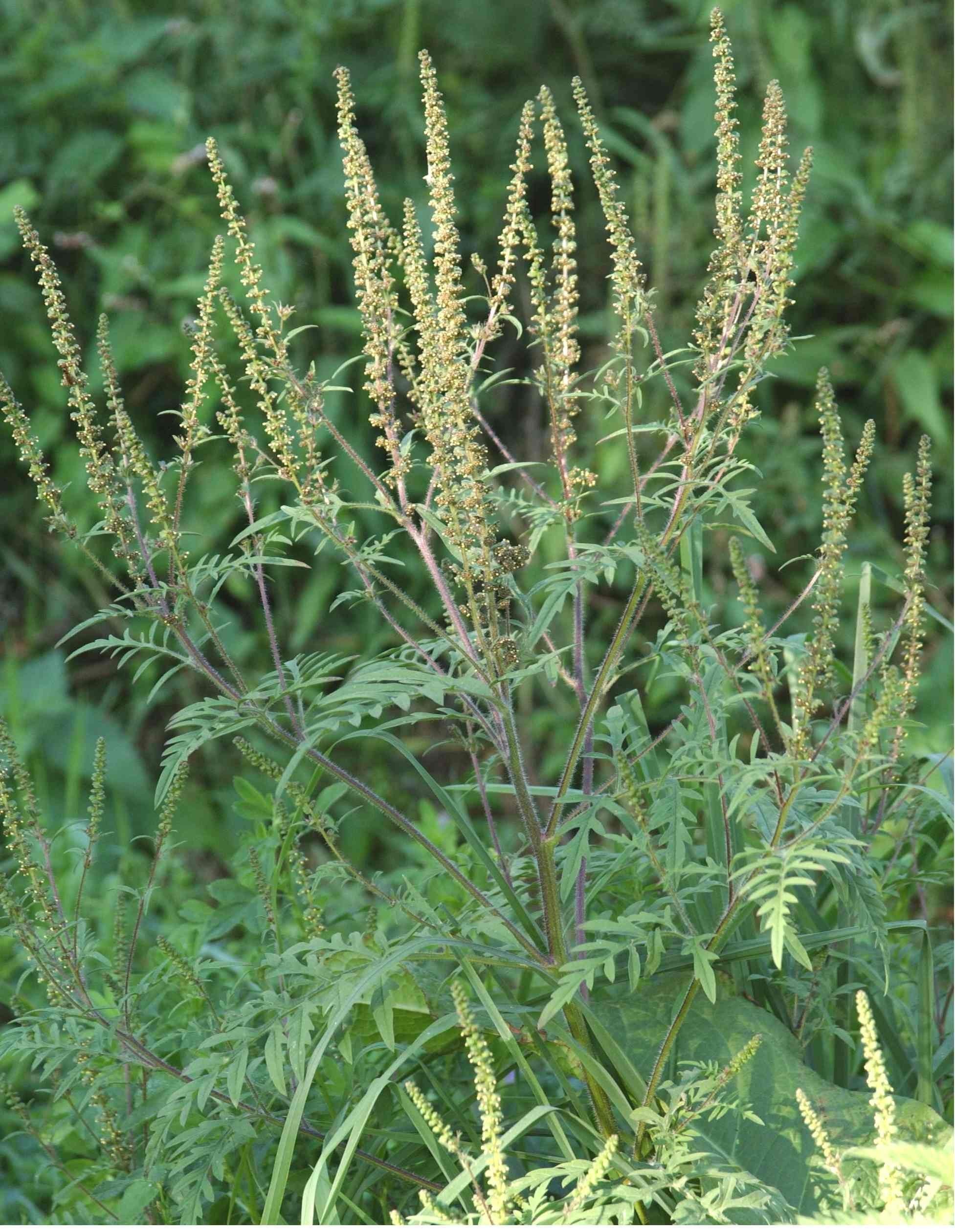
This condition is commonly known as hay fever (medically known as rhinoconjunctivitis). Climate change is also having a noticeable impact here. “Experts have observed for several years that the start, duration and intensity of the pollen season are changing, and the burden on many sufferers is increasing,” according to a press release from the Tübingen District Office. Furthermore, plants from other regions or countries can have a negative impact. One example is ragweed, which originates from North America. Its pollen is considered particularly allergenic. Air pollutants such as nitrogen oxides or ozone can also exacerbate the effects of pollen.
Stay indoors as much as possible when pollen counts are high
What can you do? Medical experts advise: Those who can should spend as little time outdoors as possible when pollen levels are high. Pollen concentrations indoors can be reduced by fitting protective screens to windows, changing clothes worn outdoors, and wiping down furniture with a damp cloth, for example. Those who know which pollen they react to can use weather apps, for instance, to find out what is currently in the air.
The Tübingen Health Authority recommends seeing a doctor if symptoms persist. The first point of contact should be your GP or paediatrician. If left untreated, the condition can lead to allergic asthma. Medication can alleviate the symptoms. Following an allergy test, there is often the opportunity to gradually desensitise the immune system to the pollen that triggers the allergy.
Information on how to identify and remove ragweed is available in the press release https://www.kreis-tuebingen.de/gesundheit_+lebensmittel/gesundheit/gesundheit-aktuelles/klimawandel+verlaengert+pollensaison
Sightings of ragweed can be reported by email to landwirtschaft@kreis-tuebingen.de or by telephone on 07071 / 207-4004.
Information and tips on this topic can also be found at https://www.klima-mensch-gesundheit.de/allergieschutz from the Federal Institute for Public Health.
tun26042102