

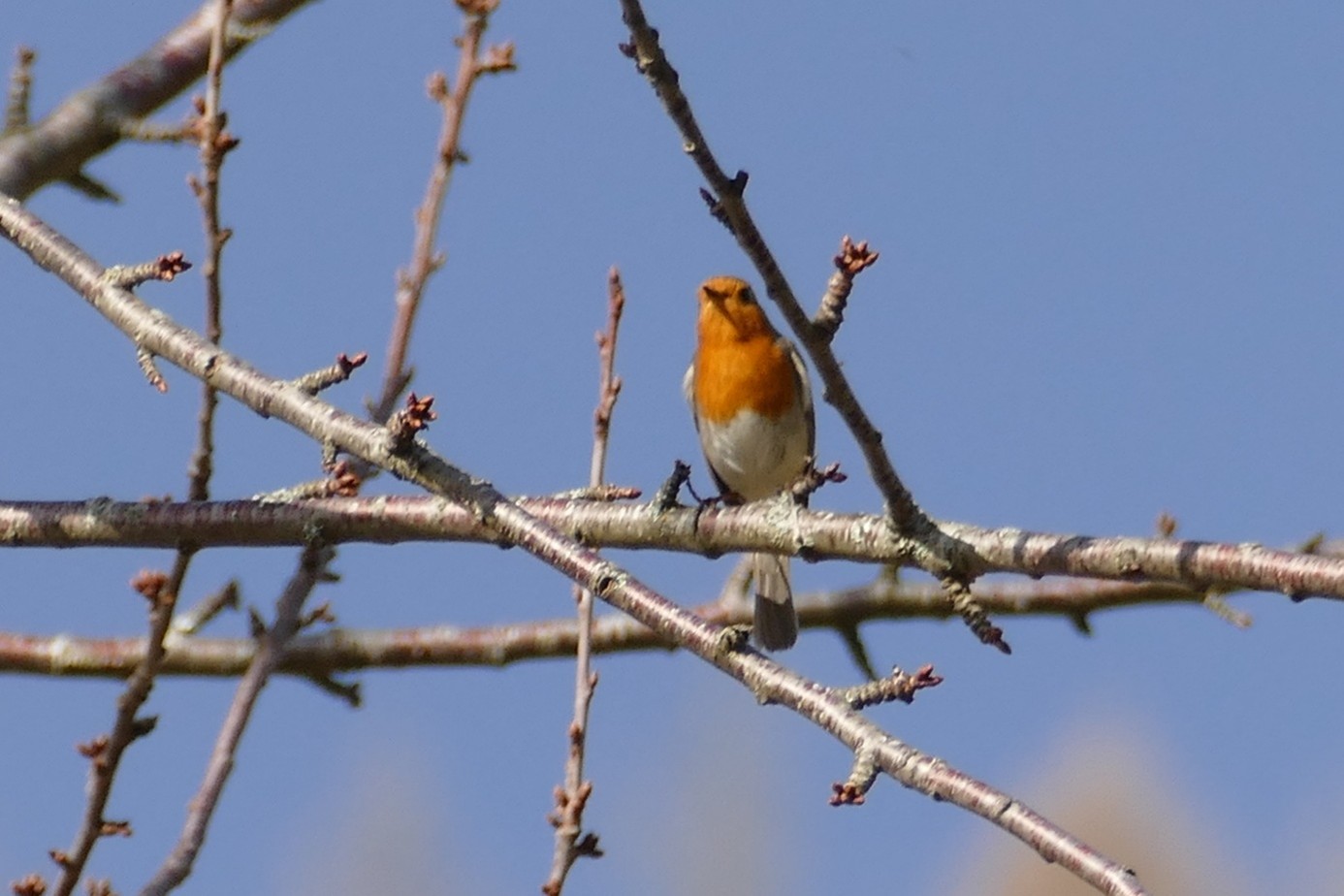
Most people know from experience that a walk in the forest is good for your health and boosts well-being. A recent study by biologists at the University of Tübingen shows that the birdsong you hear during such a walk plays a special role in promoting a sense of well-being.
Participants Go for a Walk
The researchers sent 233 volunteers on a half-hour walk through the arboretum, the tree garden of the university’s botanical garden. Before and after their walk, the participants filled out questionnaires about their mental well-being. In addition, their blood pressure, heart rate, and cortisol levels in saliva were measured. Cortisol is considered an important stress hormone, and its levels can change within a matter of minutes. The biologists sent one group of participants through the park without any instructions, while another group was instructed to pay particular attention to birdsong. A control group wore noise-canceling headphones during the walk.

Result: Bird songs reduce stress
All participants experienced a drop in blood pressure and heart rate, and their cortisol levels decreased by an average of nearly 33 percent. In the questionnaires, they also rated their mental well-being higher after the walks. The group that focused its attention on birdsong experienced an even greater increase in well-being. Christoph Randler, professor of biology education at the University of Tübingen and lead researcher of the study, summarizes the findings: “While a walk in nature clearly had physiological benefits for stress reduction, paying attention to birdsong further enhanced this effect. As our study has shown, you don’t even need to know much about birds: The positive effect applies to casual birdwatchers just as much as it does to bird experts.” Christoph Randler researches what people find fascinating about nature and how these findings can be applied to classroom instruction.
Tip for an outing or walk:
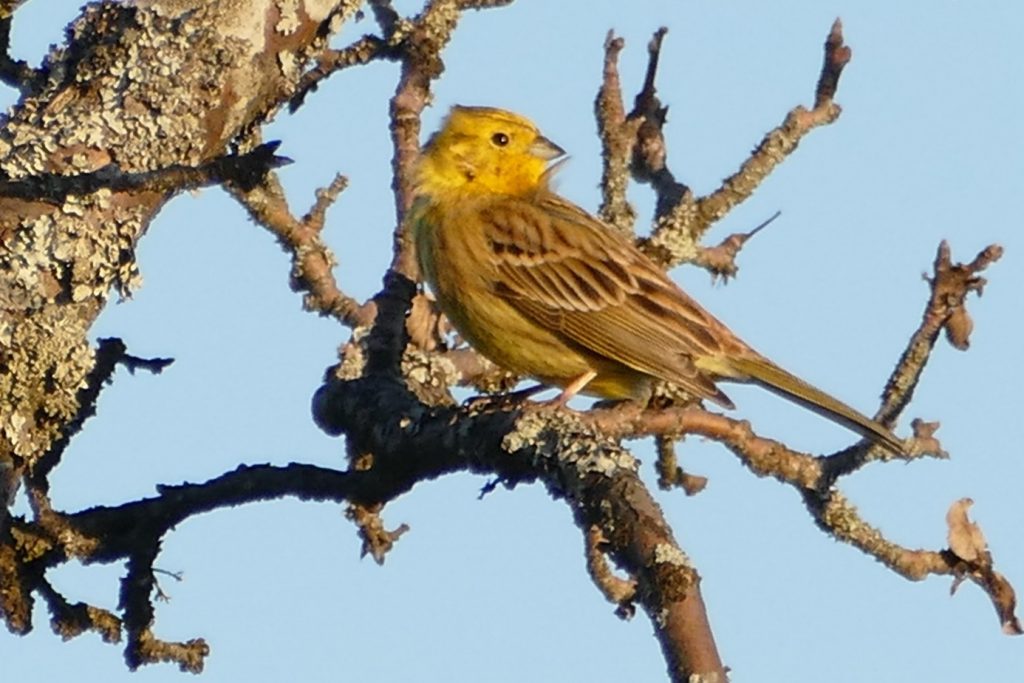
The Arboretum at the University of Tübingen’s Botanical Garden boasts a particularly high diversity of birds. This is also linked to the 1,000 species of shrubs and trees that grow there. In the western part of the grounds, there are mainly conifers; magnolia family plants are found more in the lower section; olive trees and dogwood relatives can be found in the upper part of the slope; the pomarium with numerous fruit varieties is in the east. The meadows are managed extensively and visitors are welcome to walk on them.
Access: From a small parking lot on Nordring across from the greenhouses.
Further information:
Attempto! Issue 01/2026: Measurable Relaxation | University of Tübingen
Arboretum | University of Tübingen
tun26081207