

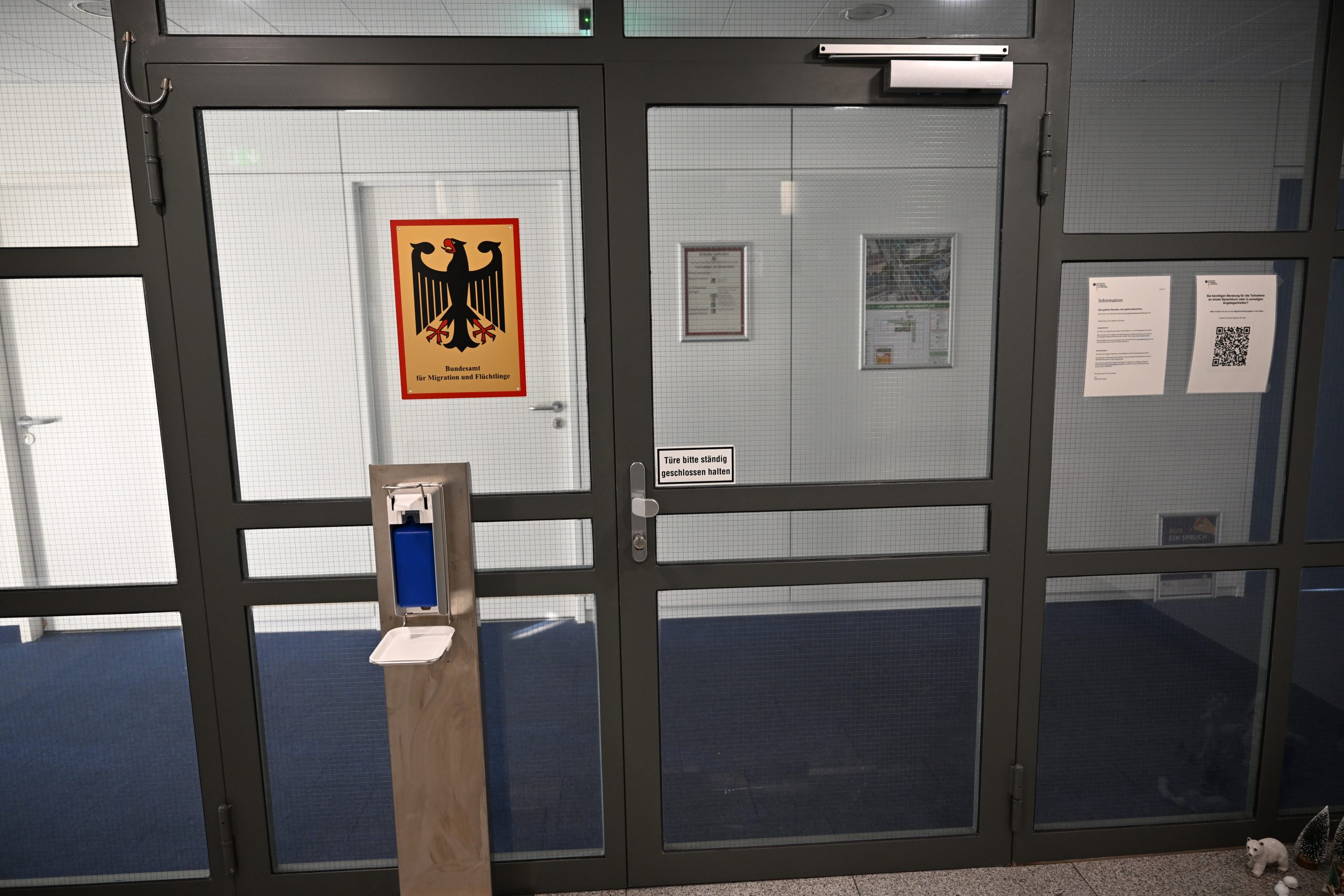
The fall of Syrian leader Bashar al-Assad and the current situation in the country are affecting the protection status of Syrians in Germany. Since June 2026, the Federal Office for Migration and Refugees (BAMF) has once again been deciding on asylum applications from Syrians. An increasing number are losing their refugee status. In 23.2 percent of the 8,320 cases reviewed by the BAMF, protection status was revoked or withdrawn; however, in 76.8 percent of cases, it was not. Last year, only 3.7 percent of Syrians lost their protection status. This is according to a 40-page response from the federal government to an inquiry from the party Die Linke.
For young men, the rule is “bed, bread, soap”
Due to the changed humanitarian situation in Syria, the BAMF is once again deciding on asylum cases after a hiatus. It also informs the relevant immigration authorities about the review procedures and their outcomes. This affects, for example, applicants whose asylum proceedings have lasted longer than 21 months. In addition, the BAMF is also making decisions in cases involving young men of working age if they are either criminals or so-called “security risks,” or if they “can independently secure their livelihood by working in Syria,” according to the federal government—in line with the “bed, bread, soap” policy.
Single Women and Families Also Affected
This now also applies to unaccompanied women or families deemed ineligible for protection who can independently secure their livelihood in their country of origin or who could be adequately provided for “based on financial resources, an existing family network, or a social environment.” As the response indicates, the BAMF also examines each individual case known to it to determine whether the protection granted should be revoked “in the event of travel to the country of origin that is not morally imperative.”
Prospects for Remaining Through Gainful Employment
A change from one humanitarian residence permit to another can offer prospects for remaining in the country—“particularly for the purpose of education or gainful employment,” writes the federal government. The Left Party asked about the number of Syrian workers in the 15 most critical shortage occupations in Germany. The transportation and logistics sectors lead the way in terms of employees subject to social insurance contributions, followed by, among others, healthcare professions and retail. Among skilled workers, automotive engineering ranks first. But Syrians also earn a living in professions such as dental and medical assistants, as well as in the restaurant industry and nursing. Among so-called specialists, employees in childcare and early childhood education rank first. At the highest level – that of experts – the group consists primarily of physicians from a wide variety of medical specialties.
Three Deportations to Syria in the First Half of the Year
The numerous detailed tables show that as of May 31, 2026, a total of 919,397 people with Syrian citizenship were living in Germany. Of these, 91,676 were in Baden-Württemberg. The majority of them (431,632) were between the ages of 18 and 39. Just under 541,000 were men, and just under 378,000 were women. According to the federal government, three people with Syrian citizenship had been “returned” to Syria by June of this year. One table also lists the figure of 492 Syrian nationals who are said to have been deported from January through June of this year—“excluding those who were returned to Syria.”
Further information:
The parliamentary inquiry and the federal government’s responses
https://dserver.bundestag.de/btd/21/074/2107499.pdf
See also
tun26071505
tun26081906